
Cast Iron Guttering for Victorian Houses: Which Style?
Discover which cast iron gutter profiles suit Victorian houses and how to choose authentic rainwater goods for your period property.
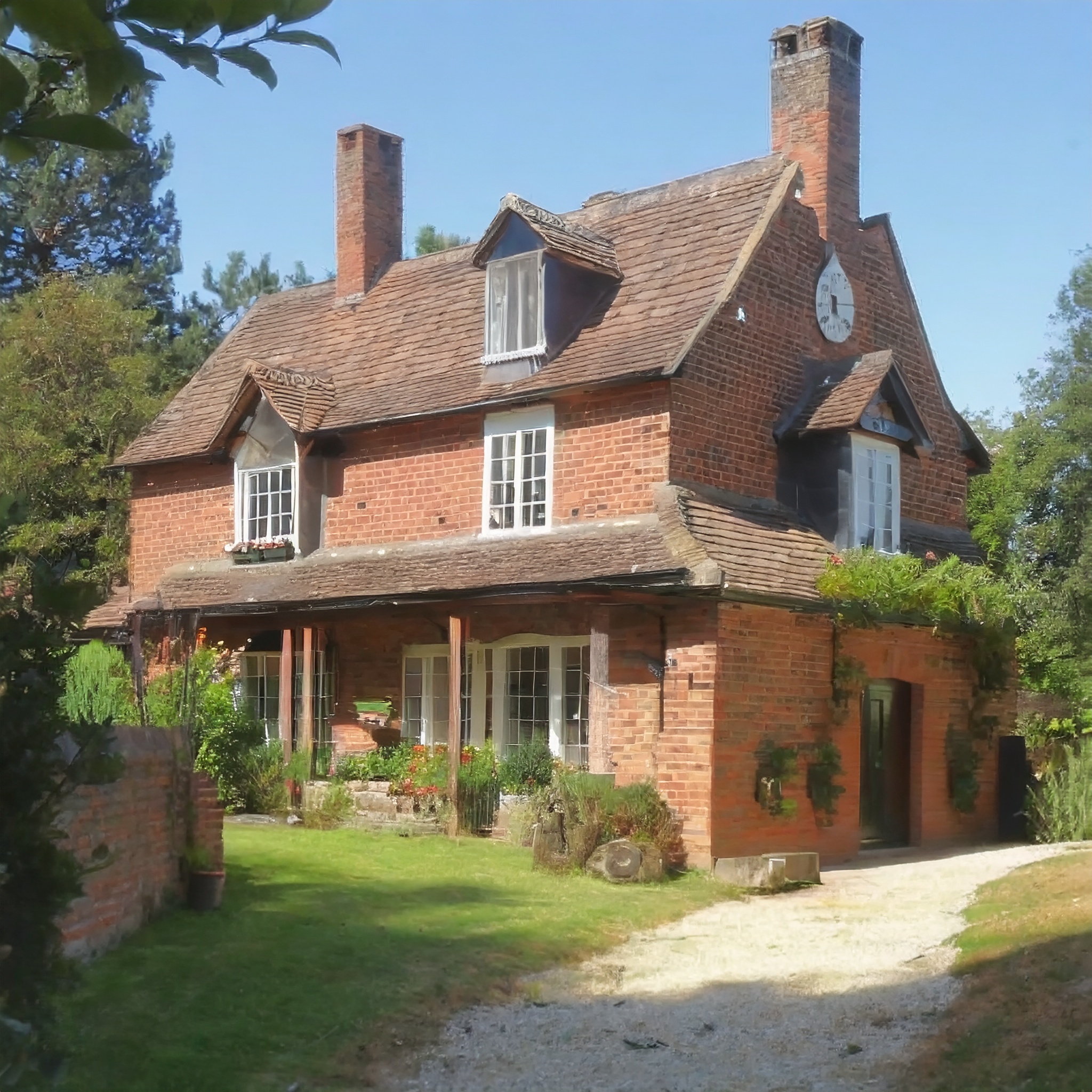
Cast Iron Guttering for Victorian Houses: Which Profile Should You Choose?
Victorian houses are among the most recognisable period properties in Britain, but there is no single style of Victorian guttering that’s right for every one.
The Victorian era produced everything from modest terraced cottages to elaborate villas and substantial townhouses. Architectural styles changed throughout the period and varied considerably between different parts of the country.
Rainwater goods reflected this variety.
Traditional cast iron guttering was widely used, with different gutter profiles, downpipes, hoppers and brackets becoming part of the architectural detailing of Victorian buildings.
If you’re restoring a Victorian property today, choosing the right guttering isn’t simply about picking something that looks old.
The aim should be to find a rainwater system that complements the proportions, character and – where it can be established – original detailing of the building.
What guttering was used on Victorian houses?
Cast iron became an important building material during the Victorian period.
Industrialisation and improvements in manufacturing made it possible for foundries to produce building components on a much greater scale, including:
- Cast iron gutters
- Downpipes
- Rainwater hoppers
- Gutter brackets
- Soil pipes
- Air bricks
- Railings
- Decorative architectural metalwork
As a result, cast iron rainwater goods became a familiar feature of Victorian architecture.
Many original systems remain on buildings today, demonstrating just how durable properly maintained cast iron can be.
Did all Victorian houses have the same guttering?
No.
This is an important point when restoring a Victorian property.
The Victorian era lasted for more than six decades and encompassed a huge variety of architecture.
A small Victorian terrace shouldn’t automatically receive the same rainwater goods as a large detached villa simply because both buildings date from the same period.
Factors influencing the original guttering could have included:
- Date of construction
- Architectural style
- Size of property
- Roof design
- Local building traditions
- Availability of products from local foundries
- Status and budget of the original building
- Decorative treatment of the façade
This is why existing evidence should take priority over generic rules.
What are the main cast iron gutter profiles for Victorian houses?
Three traditional profiles you’re likely to consider are:
- Half Round
- Beaded Half Round
- Ogee
Each provides a distinctly different appearance.
Half Round cast iron guttering
Half Round cast iron guttering has a simple curved profile.
Its understated appearance makes it extremely versatile and it can work well on many Victorian properties, particularly where the architecture is relatively restrained.
Half Round guttering can be a good choice for:
- Victorian cottages
- Terraced houses
- Farmhouses
- Simple brick properties
- Less decorative elevations
Its strength is simplicity.
It provides the substantial appearance of genuine cast iron without introducing unnecessary decorative detailing.
Beaded Half Round cast iron guttering
Beaded Half Round guttering uses the familiar curved form but introduces a raised bead along the outer edge.
It’s a relatively subtle detail, but it gives the gutter a more decorative and finished appearance.
This can work particularly well on Victorian properties where the architecture includes more detailed:
- Brickwork
- Fascias
- Bargeboards
- Window surrounds
- Decorative joinery
- Architectural metalwork
Beaded Half Round can therefore provide a useful middle ground between simple Half Round and more elaborate Ogee profiles.
Ogee cast iron guttering
Ogee cast iron guttering has a more decorative moulded profile.
Rather than simply collecting rainwater beneath the roofline, Ogee guttering can become part of the architectural treatment of the façade.
This can make it particularly effective on more substantial or decorative Victorian properties.
Potential applications include:
- Victorian villas
- Townhouses
- Larger terraces
- Decorative commercial buildings
- Period properties with elaborate eaves
However, more decoration isn’t automatically more authentic.
A large Ogee gutter can look overly heavy on a modest Victorian cottage.
Always consider proportion.
Which gutter profile is best for my Victorian house?
There is no universal answer.
As a starting point:
Half Round – simple, understated and versatile.
Beaded Half Round – traditional curved form with additional decorative detailing.
Ogee – stronger architectural profile suited to buildings where the rainwater goods form a more prominent part of the elevation.
But before choosing any of these, look at the property itself.
How can I find out what guttering my Victorian house originally had?
The best solution is often to become a bit of a building detective.
Look for surviving original guttering
Start with the obvious.
Does any old cast iron guttering remain on:
- Rear elevations?
- Outbuildings?
- Extensions?
- Porches?
- Less accessible roof areas?
Later alterations often affect the front of a building first, meaning older rainwater goods sometimes survive elsewhere.
Look at neighbouring houses
If your property forms part of a Victorian terrace or planned development, neighbouring buildings can provide useful clues.
One house may have had its original guttering replaced with plastic while another still retains traditional cast iron.
Don’t automatically assume your neighbour’s system is original, though.
Use it as evidence rather than proof.
Search for old photographs
Historic photographs are extremely valuable.
Try:
- Local archives
- Historic postcards
- Previous sales particulars
- Local history groups
- Family photographs
- Online image archives
Even a distant photograph can sometimes reveal whether the original guttering was simple or decorative and where downpipes were positioned.
Examine existing brackets
Old gutter brackets can provide clues to the profile originally installed.
If historic brackets survive beneath modern guttering, photograph and measure them before removing anything.
Look for foundry marks
Original cast iron products sometimes contain manufacturer’s names, numbers or other cast markings.
Record these before disposing of damaged components.
Should I keep original Victorian cast iron guttering?
Where original cast iron rainwater goods survive, repair should be considered before replacement.
Age alone doesn’t mean a cast iron gutter needs replacing.
Depending on its condition, maintenance might involve:
- Cleaning
- Repairing joints
- Treating localised corrosion
- Replacing fixings
- Repairing brackets
- Repainting
- Replacing individual damaged sections
Retaining original material preserves more of the building’s historic fabric.
It can also prevent the unnecessary replacement of components capable of providing many more years of service.
Can I replace plastic guttering on a Victorian house with cast iron?
Yes, in many circumstances.
A large number of Victorian properties have lost their original rainwater goods during previous renovations.
Standard plastic guttering may have been installed because it was inexpensive and readily available.
Replacing plastic with traditional cast iron guttering can make a significant difference to the appearance of the building.
However, don’t simply replicate the plastic gutter profile.
The plastic system may have no relationship to what was originally fitted.
Instead, use the opportunity to investigate which traditional profile is most appropriate.
Should I replace the downpipes as well?
If you’re trying to restore a convincing Victorian appearance, consider the complete rainwater system.
Traditional cast iron downpipes have a very different appearance from modern plastic pipes.
Features such as:
- Pipe sockets
- Wall brackets
- Bends
- Shoes
- Branches
- Rainwater hoppers
all contribute to the overall effect.
Replacing the gutter while leaving conspicuous modern plastic downpipes may therefore only achieve part of the visual improvement.
Did Victorian houses use rainwater hoppers?
Yes, rainwater hoppers can be found on many Victorian buildings.
A cast iron rainwater hopper collects water before directing it into the downpipe.
Victorian hoppers range from relatively simple designs to highly decorative examples.
Some historic hoppers feature:
- Patterns
- Floral decoration
- Lettering
- Dates
- Initials
- Crests
Where an original hopper survives, think carefully before replacing it.
It may be a distinctive piece of the building’s architectural history.
What colour should Victorian guttering be?
Black cast iron guttering is now strongly associated with Victorian and traditional properties and is an extremely versatile choice.
But don’t assume that every Victorian rainwater system was historically black.
Paint colours varied.
Where historical accuracy is particularly important, surviving layers of paint or historic photographs may provide clues to earlier colour schemes.
The guttering should also be considered alongside:
- Fascias
- Bargeboards
- Windows
- Doors
- Railings
- Other exterior metalwork
What size guttering does a Victorian house need?
The correct gutter size should be determined by the drainage requirements of the roof, not simply the age of the property.
Factors include:
- Roof area
- Roof pitch
- Rainfall
- Gutter profile
- Number of outlets
- Outlet position
- Downpipe capacity
If the existing system has historically struggled during heavy rainfall, replacing it with an identical capacity may not solve the problem.
Likewise, don’t install unnecessarily large guttering purely because it looks substantial.
Proportion and performance both matter.
What brackets should I use?
Traditional cast iron gutter systems can use different bracket arrangements.
These can include:
- Fascia brackets
- Side-fix rafter brackets
- Top-fix rafter brackets
- Rise-and-fall brackets
The correct solution depends on the roof and eaves construction.
Some Victorian properties don’t have a conventional modern fascia arrangement, making rafter-mounted brackets particularly relevant.
Cast iron is heavy, so brackets and structural fixings must be suitable for the load.
What about Victorian houses in conservation areas?
Properties within conservation areas aren’t necessarily subject to the same controls as listed buildings, but external alterations can still require additional consideration.
Local planning policies and Article 4 Directions can restrict certain changes.
If you’re making significant alterations to the exterior of a property in a conservation area, check the local requirements before proceeding.
From an aesthetic perspective, traditional cast iron rainwater goods can be particularly effective in maintaining the character of historic streets and neighbourhoods.
What guttering should I use on a listed Victorian house?
If the Victorian property is listed, take additional care.
Existing historic gutters, downpipes, brackets and hoppers may contribute to its special architectural or historic interest.
Before replacement:
- Establish whether the components are original.
- Assess whether they can be repaired.
- Record profiles and dimensions.
- Photograph all significant details.
- Investigate appropriate replacements.
- Establish whether Listed Building Consent is required.
Where replacement is necessary, matching the historic material, profile, proportions and detailing may be important.
Is cast iron guttering worth it on a Victorian house?
If preserving or restoring the architectural character of the property is important to you, genuine cast iron can be an excellent investment.
Compared with basic plastic guttering, cast iron generally involves a greater initial cost and requires periodic maintenance.
In return, it provides:
- Authentic material
- Traditional appearance
- Excellent durability
- Repairability
- Substantial detailing
- Potentially very long service life
And importantly, it is a material that genuinely belongs within the architectural history of Victorian Britain.
Think beyond the guttering
If you’re restoring a Victorian exterior, rainwater goods are only part of the picture.
Other details worth considering include:
- Cast iron soil pipes
- Air bricks
- Door furniture
- Railings
- Architectural metalwork
- Traditional windows
- Roof coverings
- Brick and stone repairs
The best restorations usually come from getting many small details right, rather than adding one or two obvious “period” features.
Need help choosing guttering for your Victorian property?
At Forge Heritage, we supply traditional cast iron rainwater systems for period, heritage and character properties.
Our ranges include Half Round, Beaded Half Round and Ogee cast iron guttering, together with the downpipes, outlets, brackets and fittings required to create complete traditional rainwater systems.
If you’re not sure what your Victorian house originally had – or which profile would suit it best – send us:
- Photographs of the property
- Images of any existing guttering
- Gutter measurements
- Photographs of brackets
- Images of neighbouring original properties where relevant
Our team can help you identify the most appropriate products for your project.
Frequently Asked Questions
What type of guttering was used on Victorian houses?
Cast iron rainwater goods were widely used on Victorian buildings. Different properties used different profiles and arrangements, so there isn’t one universal Victorian gutter design.
What is the best cast iron gutter profile for a Victorian house?
Half Round, Beaded Half Round and Ogee can all be suitable. The best choice depends on the building’s architecture, proportions and any evidence of the original rainwater system.
Is Ogee guttering Victorian?
Ogee-style cast iron guttering can be appropriate for Victorian architecture, particularly on more decorative properties. However, it shouldn’t automatically be considered the correct profile for every Victorian house.
Can I replace plastic gutters with cast iron on a Victorian house?
Yes, subject to suitable sizing, support and installation. Replacing inappropriate modern plastic guttering with traditional cast iron can significantly improve the appearance of a Victorian property.
Should I keep original Victorian cast iron gutters?
Where original cast iron guttering remains serviceable or can reasonably be repaired, retaining it should be considered before replacement.
What colour guttering suits a Victorian house?
Black cast iron is a popular and versatile choice, although historic rainwater goods weren’t universally black. The appropriate colour should complement the individual building and, where relevant, its historic decoration.
Do Victorian houses need cast iron downpipes too?
They don’t need cast iron purely because they’re Victorian, but using traditional cast iron downpipes alongside cast iron gutters creates a much more coherent heritage appearance.
Can Forge Heritage help identify Victorian guttering?
Yes. Send Forge Heritage photographs and measurements of existing gutters, brackets, downpipes and fittings and we can help identify an appropriate traditional cast iron system.